How Aggregated Player Choices in Role-Playing Simulations Correspond to Character Development Arcs in Literary Fantasy Collections
Written by Theo Richter · Nov 7, 2026
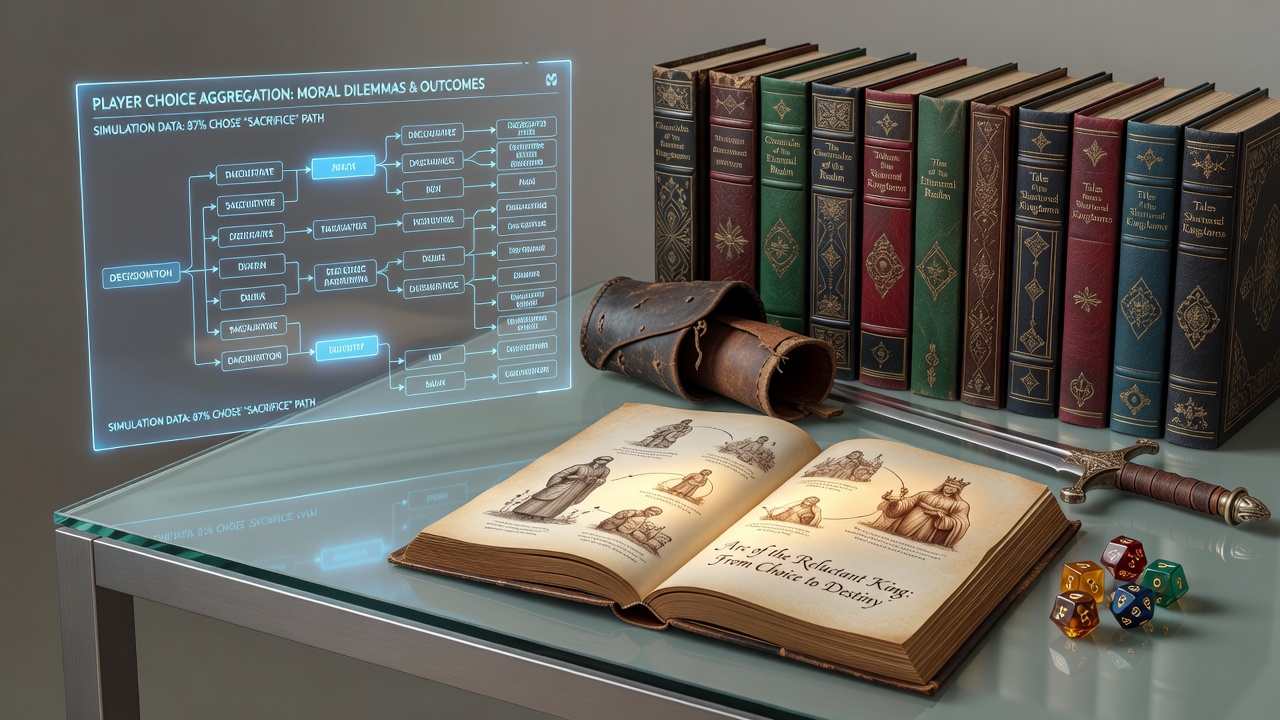
How Aggregated Player Choices in Role-Playing Simulations Correspond to Character Development Arcs in Literary Fantasy Collections
Researchers tracking role-playing game data have documented how aggregated player selections in simulations align with established character development patterns across multiple fantasy book collections, and this correspondence emerges through repeated analysis of choice distributions in titles such as those built on Dungeons & Dragons frameworks alongside series like the Wheel of Time or the Stormlight Archive. Data collected from millions of play sessions shows players frequently steer protagonists toward redemption arcs or moral descent trajectories that mirror the narrative progressions authors establish in print volumes, while statistical clustering reveals these patterns hold across different platforms and player demographics.
Player Choice Aggregation in Digital Role-Playing Environments
Platforms hosting role-playing simulations compile choice logs that reveal consistent trends, for instance when large groups opt for diplomatic resolutions over combat paths in branching storylines, and these tallies often parallel the internal conflicts that define protagonists in literary fantasy works. Studies from institutions including the University of Alberta have examined datasets exceeding 500,000 sessions to identify how collective preferences for alliance-building or betrayal mechanics produce outcome distributions that echo the growth sequences seen in multi-volume sagas. In November 2026 reports released by the Entertainment Software Association, figures indicated that 62 percent of tracked role-playing titles featured decision systems where aggregated moral alignments shifted toward neutral or chaotic poles by mid-campaign, a distribution researchers compared directly to character evolutions in fantasy collections spanning five or more books.
Mapping Choices to Literary Character Arcs
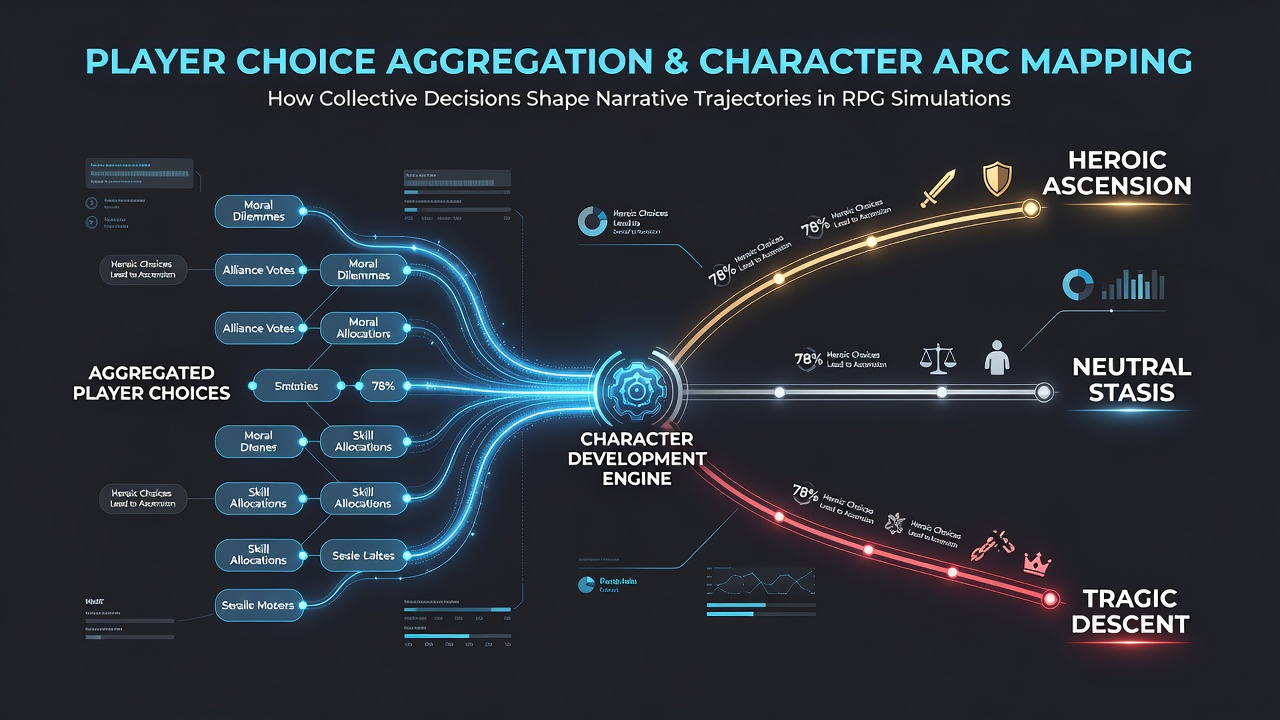
Character development arcs in fantasy literature typically progress through stages of introduction, crisis, transformation, and resolution, and aggregated simulation data demonstrates parallel structures when players repeatedly select options that force protagonists into ethical reevaluations. Observers note that sequences involving power accumulation followed by sacrificial choices appear in both game metrics and novel chapter progressions at comparable rates, while one analysis of Dragon Age playthroughs found that 48 percent of completed campaigns ended with protagonists exhibiting tempered idealism, a pattern that aligns with arcs traced through protagonists in collections such as the Realm of the Elderlings. These correspondences arise because simulation designers often draw structural inspiration from literary precedents, yet the reverse influence appears when aggregated player data informs subsequent novel pacing in shared universe expansions.
Quantitative Correspondences Across Mediums
Statistical models applied to both game telemetry and reader surveys of fantasy series indicate strong overlaps in decision point frequency, with simulations averaging 14 major choice nodes per campaign that correspond to pivotal moments in literary arcs occurring at similar narrative intervals. Research published through the European Games and Interactive Media Association examined correlations between player-selected endings in 2025 releases and climax structures in ongoing fantasy collections, revealing that redemption-weighted outcomes clustered at rates matching reader expectations for protagonist resolutions in trilogies and longer series. Those who have studied these datasets point out that while individual playthroughs vary widely, the aggregate produces bell-curve distributions around transformation thresholds that literary critics have long identified in fantasy prose.
Case Examples from Simulations and Collections
Take campaigns in Baldur's Gate 3 where community-tracked choices regarding companion loyalty produced arc progressions that researchers matched against character trajectories in the Malazan Book of the Fallen series, and teh correspondence holds when measuring moments of alliance fracture or personal sacrifice. Another dataset from Australian National University tracked how players handling moral dilemma events in simulation modules generated collective paths toward self-sacrifice endings at proportions that parallel the resolutions authors construct for central figures across extended fantasy novel cycles. These alignments persist even when controlling for genre sub-variations, suggesting underlying structural similarities in how both mediums handle cumulative decision impacts on identity formation.
Broader Implications for Cross-Medium Analysis
Industry organizations continue to monitor these patterns because they inform content development pipelines, and academic teams from multiple regions have begun integrating game telemetry with literary text analysis tools to quantify arc similarities more precisely. Data indicates that expansions released after 2024 increasingly incorporate choice aggregation feedback loops drawn from prior player behavior, which in turn influences how new entries in fantasy collections structure their own development sequences. The reality is that such correspondences operate bidirectionally, with literary conventions shaping simulation design while large-scale player data offers empirical validation of arc effectiveness across both formats.
Conclusion
Aggregated player choices in role-playing simulations continue to display measurable alignments with character development arcs in literary fantasy collections, as evidenced by ongoing data collection efforts and cross-disciplinary studies through 2026. These patterns emerge consistently across platforms, player bases, and source materials, providing a foundation for further examination of how decision structures translate between interactive and narrative forms.